






 0 comments
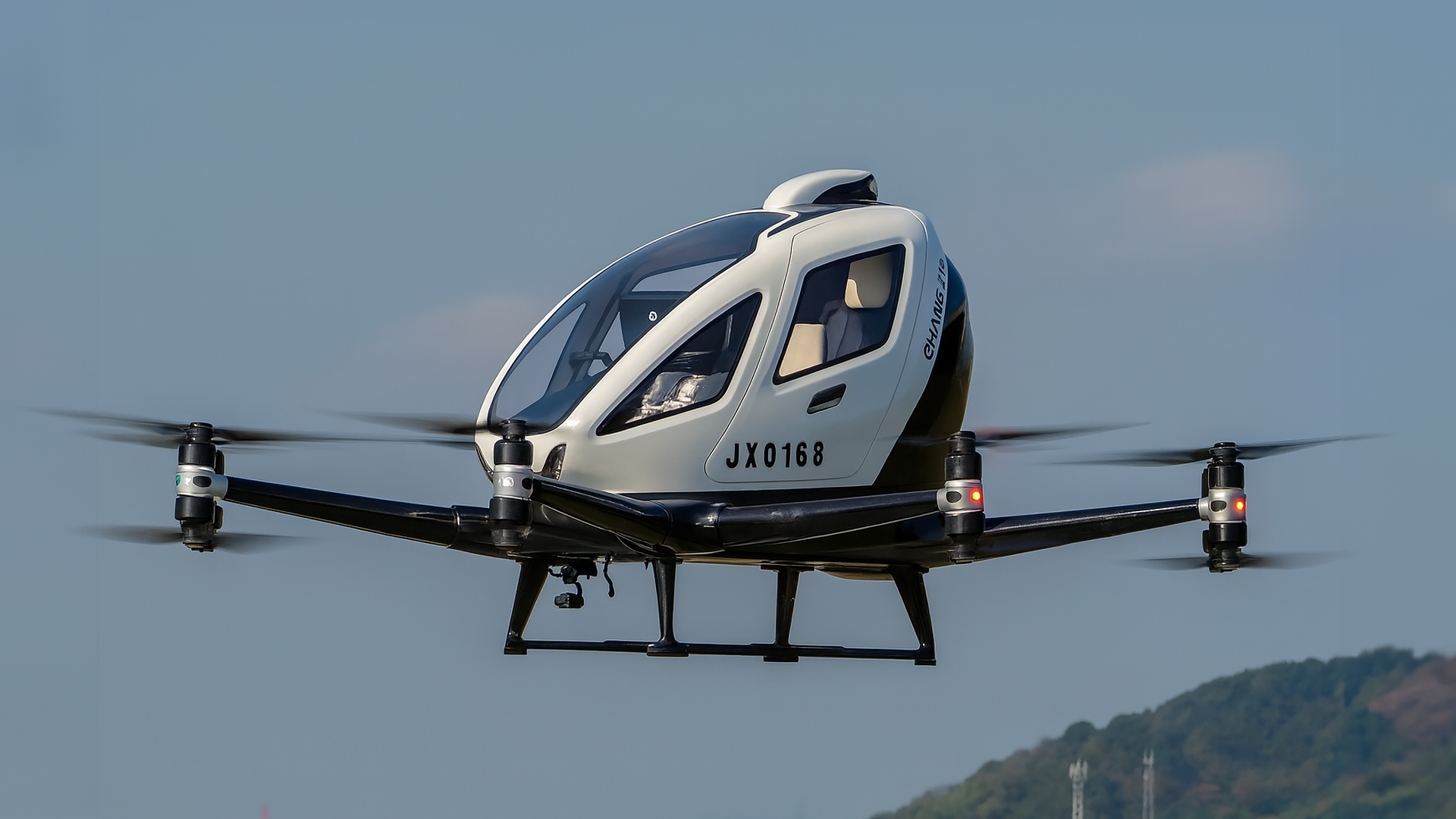
The East African country is now the first in the continent to have a public flight of a self-flying electric air taxi, adding to its fast-growing reputation as a hub for advanced aviation and technology innovation.
In a demonstration of the pilotless aircraft, which followed an agreement with an implementer from China’s Road and Bridge Corporation (CRBC), Rwandan skies witnessed an air taxi that embodies not only technological advancement but the ambition of a whole generation keen to leave behind traditional barriers to development.
Rwanda’s jump into aviation innovation is not a new phenomenon. In 2016 the country achieved a world first with medical delivery drones with Zipline – which transported blood and vaccines, thus shortening delivery times to villagers in remote areas.
While Rwanda’s commitment to the electric model of autonomous flight marks a transition into a new page of green aviation, the reality for air travel on the continent is that it’s largely expensive, limited, and often viewed as producing significant carbon emissions.
The electric air taxis intend to be low energy, quiet and sustainable, which is totally in line with Rwanda’s wider goal of a low carbon economy by 2050.
For many, it’s a life-changing opportunity to work directly on technologies that most of the world is only beginning to test. Rwandan authorities are assuring that the younger population does not simply adapt to new advancements through aviation tech, as they encourage them to design and develop aviation tech themselves.
The country is considered one of the most innovative countries in the world, having a high advantage with foreign businesses looking to develop and test new ideas for and beyond the African continent.